Colorado Winter Recreation Safety Guide: Avalanche Tips, Wildlife Protection and Responsible Outdoor Travel
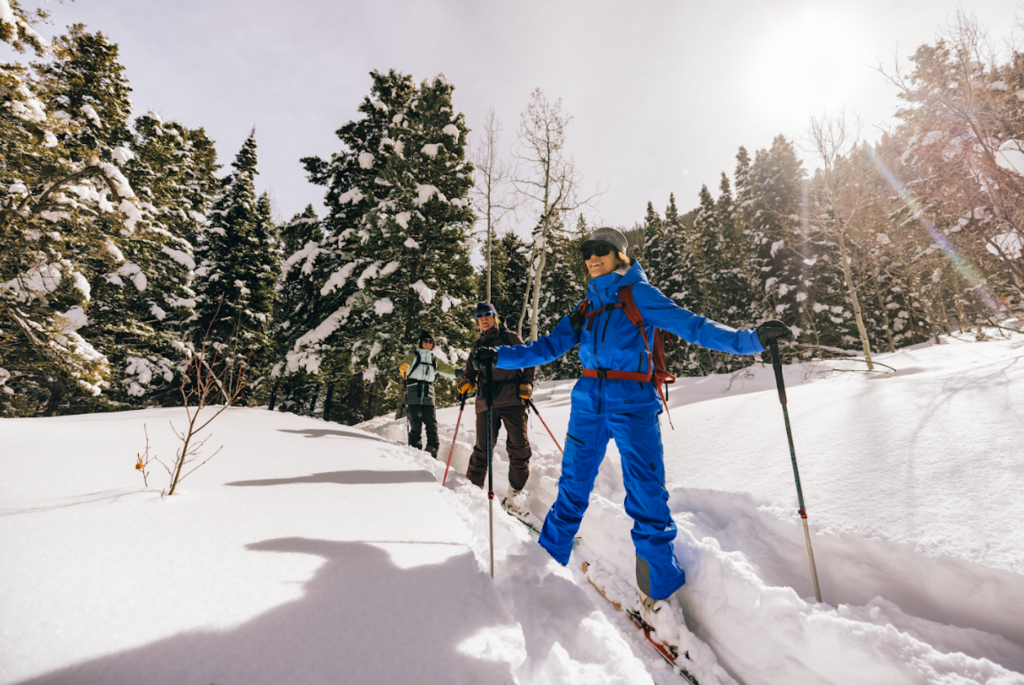
Description: Planning a winter trip in Colorado? Learn avalanche safety tips, winter travel preparedness, wildlife protection rules, fire restrictions, and how to recreate responsibly in Colorado state parks.

Where Snow Meets Stewardship: Colorado Encourages Responsible Winter Recreation
DENVER — Colorado's pristine snow and ice make it a winter wonderland. The state offers many outdoor activities, from the thrill of snowmobiling to the tranquility of wildlife watching.
Embarking on a winter adventure in the great outdoors is an exciting experience. But before you set out, remember that mastering the art of navigating Colorado’s extreme winter weather is the key to a safe and enjoyable trip.
Know Before You Go
Colorado's winter weather is unpredictable and changes quickly. Before you depart, check the weather and avalanche forecast.
-
Choose your activity based on your skill level and safety gear to feel more confident and prepared for your outdoor adventure.
-
Plan your visit with the Quick Guide to State Parks or the Colorado State Parks Guide (Guía De Los Parques Naturales).
-
Use the State Park Finder to explore maps of Colorado state parks.
-
Camping reservations at Colorado state parks are required.
-
Find guided hikes, birding festivals and classes on the CPW Events Calendar.
-
Be prepared for winter travel conditions. Ensure your car has winter-appropriate tire chains and stock it with winter emergency gear, such as extra clothing, food, water and blankets.
-
Cell phones don’t work in backcountry areas, and batteries can get cold and die quickly, so bring paper maps and beacons in case of an emergency.
-
Tell someone where you are going and what time you will arrive home.
Backcountry and Avalanche Safety
Colorado is no stranger to avalanches. So far this season, the Colorado Avalanche Information Center (CAIC) has recorded nearly 1,448 avalanches, resulting in 30 people caught, eight buried and three injured. In the past 10 years, Colorado has recorded an average of six avalanche deaths per year.
-
Check the CAIC Avalanche Forecast for danger ratings, a summary of the conditions and travel advice.
-
Most avalanches occur on slopes between 30 and 50 degrees, so those wanting to avoid avalanche terrain should stay off of and out from under steep slopes.
-
If you want to travel through avalanche terrain, you should take a class to acquire basic avalanche knowledge and skills. Always carry the proper avalanche safety gear — a transceiver (beacon), shovel and probe — and know how to use it effectively and with practice.
Keep Wildlife Wild
Wildlife are extra vulnerable in the winter — when energy demands are high, the temperatures are low and food is scarce — but there’s a lot we can do to avoid disturbing them. Winter disturbance caused by humans can jeopardize an animal’s ability to survive the following season or raise offspring.
-
Be BearWise to prevent human-caused conflicts with bears in neighborhoods and on trails.
-
Shed antler and horn collection on all public lands west of I-25 is illegal (Jan. 1- April 30)
-
Take down hammocks and ropes that could tangle wildlife as they migrate.
-
Keeping dogs leashed helps prevent wildlife attacks on trails.
-
Before letting pets loose in your backyard, turn on the lights and make loud noises to deter wildlife.
-
If you see wildlife that appears sick or injured, leave it alone. Call your local CPW office and ask a trained wildlife officer for guidance.
Be Careful with Fire
Colorado is experiencing a snow drought this year, and wildfires can still spark even in the winter months. Fire safety is a state-wide effort and CPW encourages Coloradans to practice fire safety at all times. Information on fire restrictions and bans can change rapidly.
-
Check fire restrictions or bans at www.coemergency.com.
-
Drown fires out with water until you can touch the embers.
-
Never leave a campfire unattended.
-
Avoid parking or driving on dry grass. Check your tire pressure, exhaust pipes and if chains or exposed wheel rims are dragging from your vehicle, which may create sparks.
Stick To Trails
Respecting trail closures is a must — they’re closed for a reason, and doing so helps you feel responsible and respectful of Colorado's natural environment.
-
Trails may be closed during winter months due to safety concerns or to protect wintering wildlife.
-
Staying on designated trails helps prevent trail erosion.
-
Download the free COTREX app to find trailheads and trail maps.
Trash the Trash
Keep our public lands clean by not leaving any trash behind. Consider your responsibility to take action to protect our environment — what’s left behind in today’s snow becomes tomorrow’s water. Whatever you bring into the outdoors, take it out with you.
Share Our Trails and Parks
Join us in keeping Colorado, Colorado. Get a $29 Keep Colorado Wild Pass with your next vehicle registration and show support for Colorado state parks, local search-and-rescue teams and avalanche safety. Learn more at cpw.info/keepcoloradowild. Winter Responsible Recreation 2026 Media Toolkit
Colorado Winter Recreation FAQ
How can I stay safe during winter recreation in Colorado?
Check the weather and avalanche forecast before you go, carry proper winter and avalanche safety gear, tell someone your plans, and prepare your vehicle with emergency supplies.
Where can I check Colorado avalanche conditions?
Visit the Colorado Avalanche Information Center (CAIC) for current avalanche forecasts, danger ratings, and travel advice before entering backcountry terrain.
What gear do I need for backcountry travel in winter?
Anyone traveling in avalanche terrain should carry a transceiver (beacon), shovel, and probe — and know how to use them. Paper maps, extra layers, food, water, and emergency supplies are also essential.
Are camping reservations required at Colorado state parks?
Yes. Camping reservations are required at Colorado state parks. Visitors can use the State Park Finder and CPW website to plan ahead.
How can I protect wildlife during winter recreation?
Do not feed or approach wildlife, keep dogs leashed, follow seasonal trail closures, and avoid collecting shed antlers west of I-25 from Jan. 1–April 30.
Are wildfires a risk in Colorado during winter?
Yes. Even in winter, dry conditions can spark fires. Always check fire restrictions, fully extinguish campfires, and avoid parking on dry grass.
Follow SECO News on Facebook.
Subscribe to the SECO News YouTube Channel.
Press releases Sponsor





.jpg)


.png)

.png)











.png)