CPW Urges Extreme Caution as Drought Drives Critical Fire Danger Across Colorado
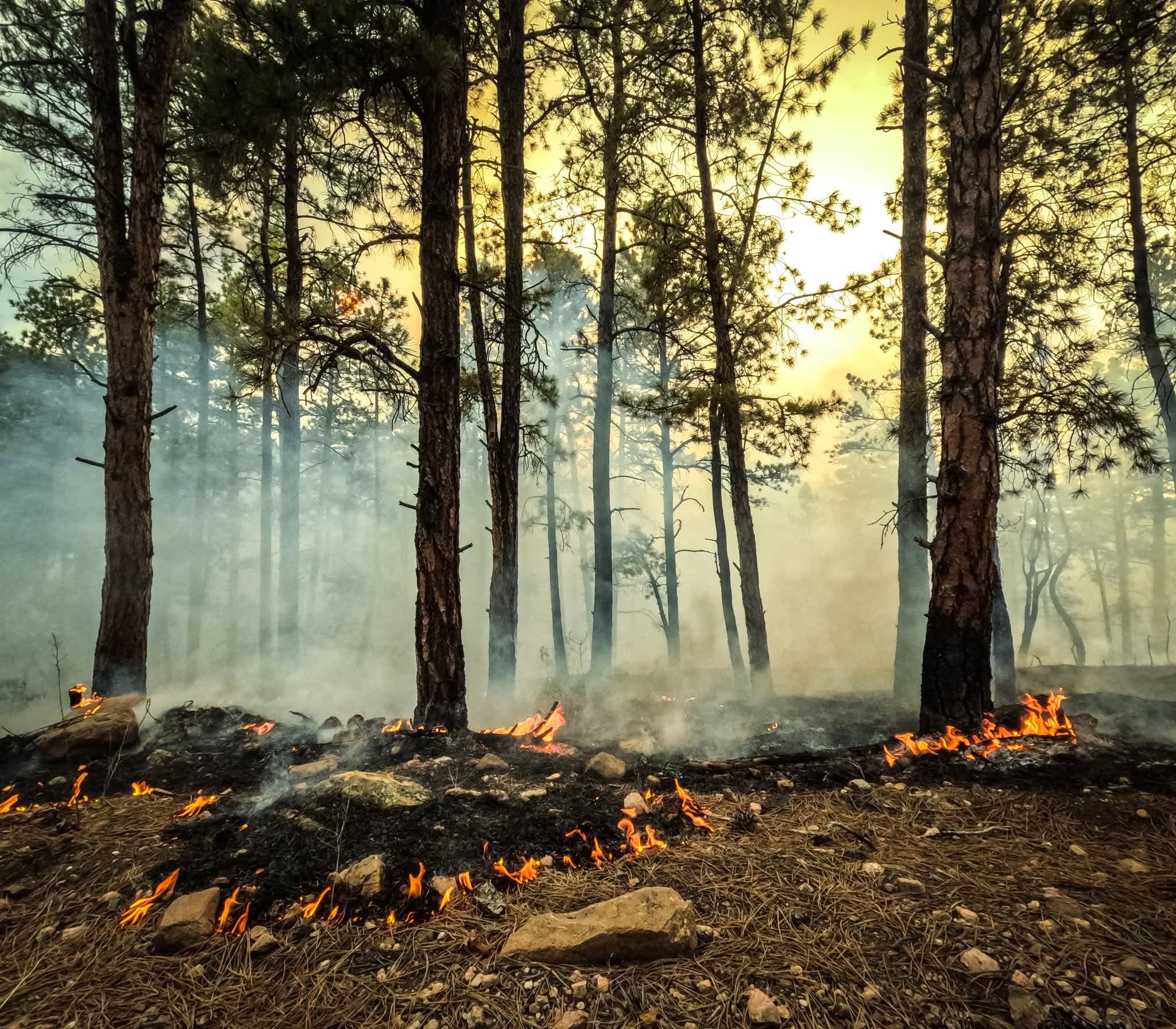
Description: Colorado Parks and Wildlife urges outdoor recreationists to use extreme caution as severe drought, low humidity and gusty winds increase wildfire danger across the state.

Colorado Parks and Wildlife urges extreme caution when recreating as drought fuels critical fire danger
GRAND JUNCTION, Colo. — Prolonged, severe drought conditions have pushed fire danger to critical levels across the state. As a result, Colorado Parks and Wildlife (CPW) is urging anyone planning to spend time outdoors in Colorado to exercise extreme caution.
With no moisture in the forecast, low humidity and gusty winds, dry vegetation can cause rapid fire growth. Officials warn that a single spark from a campfire, vehicle or grill can ignite a fast-moving wildfire.
"We can’t stress this enough," said Emergency Management Coordinator Brent Lounsbury. "It is extremely dry out there. We need everyone to be extra cautious, whether you are planning a day hike on your favorite trail or camping at your favorite state park. One spark is all it takes to start a small fire, and in these conditions that can easily turn into a dangerous, fast-moving wildfire.”
CPW encourages those heading outdoors to follow these safety tips:
- Use established rings: Where permitted, only build campfires inside permanent metal fire rings in designated campgrounds.
- Clear nearby debris: Remove all dry grass, leaves and pine needles within a 10-foot radius of any flame.
- Drown and stir: Extinguish fires completely with water, stir the ashes, and ensure the debris is cold to the touch.
- Watch campfires constantly: Never leave a fire or portable stove unattended. If you see an unattended fire, call 911.
- Keep vehicles off brush: Avoid parking or idling cars on tall, dry grass where hot exhaust systems can ignite a fire.
- Secure towing equipment: Ensure trailer safety chains do not drag and spark against asphalt. Check them at every stop.
While some areas along the I-25 corridor and east received moisture, it is still not enough given current drought conditions. With warmer temperatures and drier weather moving into Colorado, combined with extreme drought conditions, the fire risk is expected to change quickly. This is especially likely in higher-elevation areas that have not received any moisture. Those planning to recreate east of the Continental Divide are strongly encouraged to check current conditions and restrictions before heading out, as they will vary location to location.
Extreme fire conditions and several large fires on the western slope have prompted multiple counties to implement Stage 2 fire restrictions; this impacts most state parks in western Colorado. Under Stage 2 restrictions, building, maintaining, attending or using an open fire, campfire or open flame outdoors is prohibited, including in developed campgrounds and picnic areas. This includes charcoal grills, BBQs, coal and wood-burning stoves. Visitors may use only gas-powered stoves or grills with a shut-off valve in cleared areas.
Violations and Penalties
Violating Stage 2 fire restrictions by lighting a campfire is a class 2 misdemeanor. Violators face an immediate citation, a mandatory court appearance, steep fines and potential jail time. Additionally, you can be held financially liable for all fire suppression costs and property damage if the campfire sparks a wildfire.
Restrictions are expected to remain in place through the Fourth of July weekend as multiple large wildfires continue to burn across the state. CPW encourages those heading outdoors to check for real-time county and federal restrictions using the Colorado Emergency Management map and to download the free COTREX app for wildfire closure alerts.
Fireworks on State Properties
CPW reminds the public that it is illegal to possess or use fireworks on state properties, including all state parks and state wildlife areas. This strict prohibition applies year-round to all personal fireworks, including sparklers, fountains, poppers and firecrackers. Anyone caught using fireworks of any kind on state property could face citations and fines.
Nearly nine out of 10 wildfires are caused by humans, meaning almost all of them can be prevented. To learn more about preventing wildfires while recreating outdoors, visit smokeybear.com.
Follow SECO News on Facebook.
Subscribe to the SECO News YouTube Channel.
Press releases Sponsor





.jpg)


.png)

.png)











.png)